The Resurgence of Depth: How Moody, Textured Fine Art Combats the Flatness of the Modern Digital Era

Human beings are inherently tactile creatures. For thousands of years, our interactions with culture and art were profoundly sensory. We felt the chiseled grooves of marble sculptures, ran our fingers over woven tapestries, and stood in awe before oil paintings where the paint was applied so thickly it cast its own physical shadows on the canvas. These rich textural variations provided our brains with a deep sense of weight, reality, and physical connection.
However, as we have shifted deeper into the modern digital era, our daily visual environment has become entirely flat. We spend hours staring into smooth, uniform glass smartphone screens, working on matte laptop displays, and living in homes dominated by mass-produced, perfectly flat commercial prints.
This total elimination of texture has created an unspoken psychological side effect: sensory hunger. When our eyes only interact with flat, sterile, pixel-perfect vectors, we experience an underlying sense of artificiality and detachment from our surroundings.
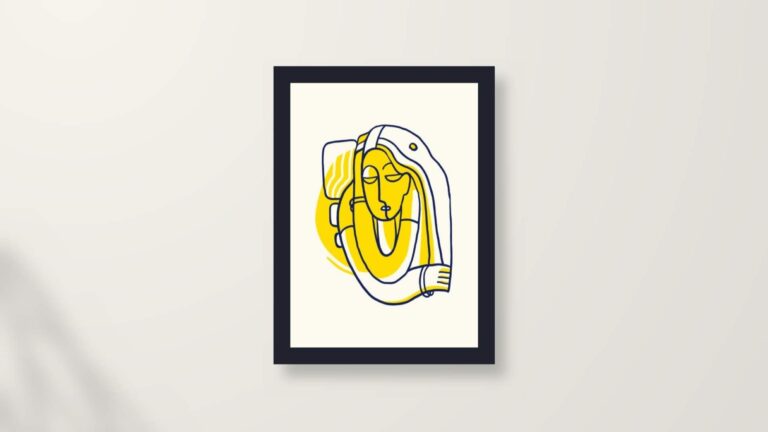
To fulfill this subconscious desire for depth, the world of high-end interior styling has seen a massive structural pivot back toward expressive, moody, and deeply physical aesthetics. This is the underlying power of heavy impasto portraiture, exemplified by pieces like “Whispered Shadows.“ By hanging a piece of modern minimalist art that beautifully replicates the thick, unpolished layers of a palette-knife oil painting, you introduce a vital element of physical texture into your line of sight. You break the monopoly of digital flatness and give your mind an authentic, deeply grounding emotional anchor within your own home.
The Cognitive Science of Texture and Emotional Resonance
Why does an abstract, textured portrait of a face hold our attention so much longer than a flat, clean graphic? The answer lies in the complex neurobiology of visual perception and emotional projection.
The human brain is biologically hardwired for pareidolia—the constant, automated psychological drive to find human faces and expressions in our surroundings. When a face is rendered with absolute, hyper-realistic precision, our analytical mind decodes it quickly and moves on.
But when a portrait is built using loose, expressive, and textured brushstrokes, the cognitive processing shifts entirely. Because the lines are abstract and the paint layers are heavily textured, your brain cannot instantly categorize the image. Instead, your visual cortex has to actively engage with the canvas. Your eyes trace the deep crevices of the palette strokes, follow the blend of charcoals and creams, and step into a process known as perceptual completion.
Essentially, your mind fills in the details, projecting its own current emotional state, memories, and inner thoughts onto the mysterious gaze of the subject. This makes moody, textured art an active, living psychological mirror. It doesn’t just decorate a room; it establishes an atmosphere of quiet introspection, prompting you to slow down your breathing, reflect on your inner world, and embrace a moment of absolute mental decompression.
Strategic Mapping: Designing Intimate Spaces with Earthy Neutrals
Moody, texturally complex art should not be thrown randomly onto a wall. Because these pieces carry significant emotional and visual weight, they must be intentionally mapped into rooms where your primary goal is relaxation, recovery, and psychological sanctuary.
1. The Primary Bedroom Headboard Wall
Your bedroom is your ultimate boundary line against the frantic pace of the external market. It is the one environment that must be fiercely protected for rest and restoration. Hanging a soft, deep portrait as bedroom wall art directly above the bed or opposite your sleeping area sets an incredible emotional baseline. The soothing palette of creams, beiges, and smokey charcoals coordinates flawlessly with natural linen bedding and ambient lighting, guiding your nervous system out of an active, analytical work mode and down into a peaceful, restorative frequency before sleep.
2. The Living Room Gallery Wall: The Power of Contrast
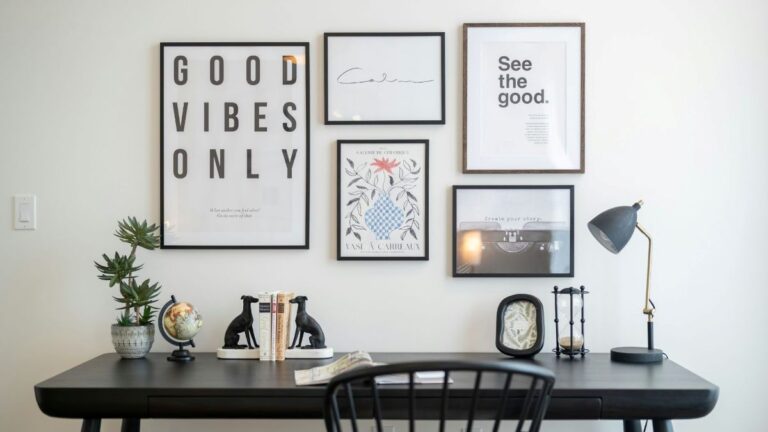
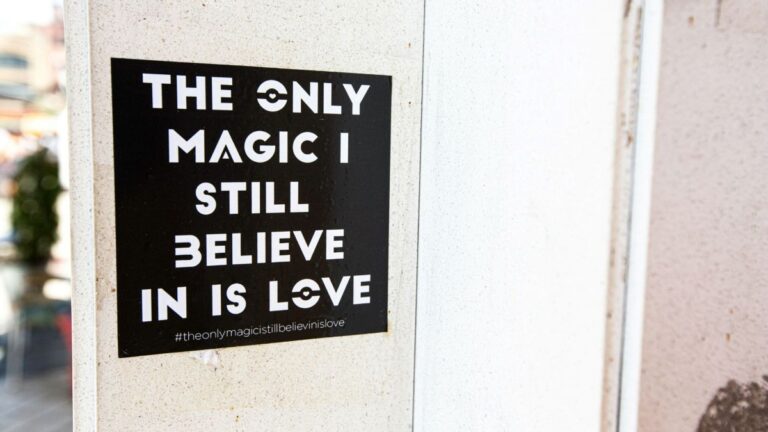
In contemporary home design, gallery walls can easily begin to look repetitive if they only consist of text-based prints or bright family photos. To create a premium, boutique hotel aesthetic, you need to introduce textural contrast. Placing a dark, rich, textured wall art painting style print directly alongside minimalist typographic quotes in frames creates a stunning design layout. The abstract, organic weight of the painted portrait balances the sharp geometric structure of the text, giving your living room wall prints an elevated, curator-led gallery atmosphere.
3. The Decompression Corner or Reading Nook
Every home needs a dedicated space for quiet thought—a comfortable chair, a warm lamp, and a complete absence of digital screens. Anchoring this specific area with an evocative, moody art piece establishes a clear behavioral trigger. When you sit in that zone, your eyes land on the soft, layered strokes of the portrait, signaling to your brain that it is time to close out the external noise, drop your professional shield, and simply exist in the present moment.
The Creative Sovereignty of Premium Digital Art Frameworks
Historically, collecting gallery-grade oil paintings with deep paint textures required immense financial capital, lengthy shipping windows, and heavy retail boutique markups. The modern emergence of premium printable digital assets has completely disrupted this old architecture, returning absolute creative freedom and speed back to the individual.
By utilizing high-resolution, vector-mapped print bundles rather than mass-fabricated commercial wall decor, you take total command over the final sensory experience of your space:
- Tactile Material Choices: Because you own the master digital file, you can choose the exact material texture of your final print. You can print the file onto heavy, textured fine-art cotton rag paper to emphasize the charcoal depths, or use an archival matte canvas wrap to make the thick palette-knife strokes look completely indistinguishable from an original gallery painting.
- Bespoke Architectural Scaling: High-resolution 300 DPI files grant you the flexibility to adapt the artwork to the precise proportions of your room. Slide it into a thin, matte-black metal frame for a sleek, contemporary industrial look, or house it within a raw, unpolished wooden frame to maximize its warm, boho wall decor appeal.
- Fluid Mindset Alignment: Human beings move through evolving psychological chapters. Digital delivery networks give you the freedom to seamlessly refresh your physical surroundings as your personal intentions grow, transforming your home into a beautiful, living autobiography of your self-mastery.
Final Thoughts: Embrace the Depth
Your home should never feel like a flat, sterile corporate office or a thoughtless carbon copy of a store catalog. It should be a textured, living sanctuary that honors the full, beautiful complexity of your inner life.
The next time you stand before a bare wall in your home, do not view it as a blank design problem to hide with superficial decor. Claim it as an active space for your mental peace. Eliminate the digital flat noise, surround your line of sight with deep, soulful, and textured artistry, and allow your environment to become a magnificent sanctuary where your mind can finally breathe, decompress, and discover its own quiet strength today.