The Muddy Stream: How Letting Go of Control Unlocks Dynamic Environmental Clarity
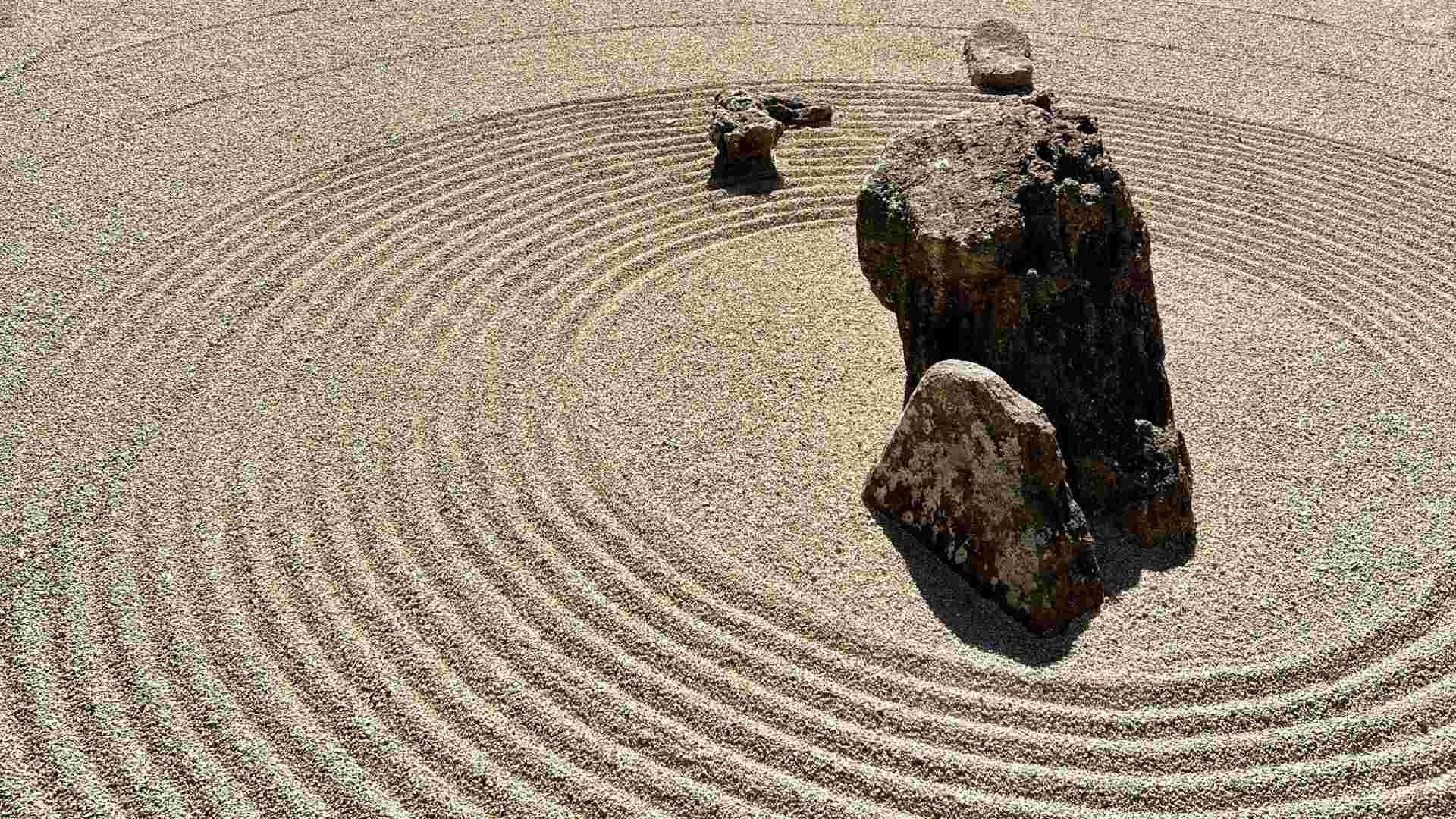
We treat our daily lives like an endless series of optimization problems. From the moment we step into the modern workspace, we are conditioned to believe that our primary duty is to force the outside world to comply with our expectations. We build hyper-detailed micro-schedules, try to micromanage every creative metric, and treat any unexpected delay, shift, or setback as an existential threat to our progress. In behavioral psychology, this rigid obsession with a specific outcome is known as control-attachment bias. When you treat every unexpected life variable as an enemy, your mind remains locked in a state of chronic, underlying flight-or-fight response, draining your focus and leaving you experiencing deep, profound creative exhaustion.
True mental sovereignty does not come from controlling the storm; it comes from learning how to drop your anchors in the middle of it. In historical Zen traditions, internal peace is not defined as the absence of chaos—it is defined as the presence of non-attachment.
To understand how to practically apply this to your work, your mind, and your home, let us look at an ancient Zen story passed down through generations of practitioners.
The Parable of the Muddy Stream
Two monks were traveling on foot across a rugged mountain terrain during a torrential downpour. As they reached a low valley, they found that the small, crystal-clear stream they normally crossed had been completely transformed into a raging, violent river of thick mud and loose stone debris. The crossing was dangerous, chaotic, and completely unpredictable.
The younger monk instantly became filled with panic. He dropped his traveling pack on the bank, paced back and forth along the edge, and began cursing the storm. “Our entire journey is ruined,” he shouted over the noise of the rushing water. “The current is too thick to see the rocks beneath the surface. If we make one wrong step, we will lose our footing and be swept away. We must wait here until the mud completely settles back to the bottom and the water runs clear again!”
The older monk stood quietly on the shore, watching the turbulence without a single trace of judgment or frustration in his eyes. He didn’t complain about the rain, nor did he waste an ounce of energy wishing the mountain stream was different than it currently was. He simply unstrapped his sandals, looked down at his feet, and stepped directly into the murky water.
He walked slowly, testing each step with his toes, feeling for the solid, unmoving bedrock hidden beneath the mud. He allowed the heavy current to rush around his legs, adjusting his balance dynamically with each movement. Within a few quiet minutes, he reached the opposite bank safely.
The younger monk, exhausted from his own anxiety, carefully followed and asked in astonishment: “Master, how did you navigate across such a blind, muddy mess without losing your balance?”
The older monk smiled gently and replied:
“You were waiting for the water to become clear before you would dare to take a step. But the water only clears when it finishes running its course. The mud is not a barrier to your path; the mud is the path. Stop looking for a clear view, and simply trust the bedrock beneath your feet.”
Interactive Tutorial: The “Zen Space” Framework
This story provides a profound, actionable roadmap for navigating modern stress. If you waste your limited cognitive energy waiting for your calendar to be perfectly clear, your inbox to hit zero, or your life to be entirely peaceful before you design your focus, you will remain frozen indefinitely. You must build your internal sanctuary right in the middle of the muddy current.
By implementing intentional visual curation, you can use your physical environment to remind your brain to drop its attachments and lock back into its sovereign focus.
Action Step 1: Run a Visual Decompression Sweep (Time: 10 Minutes)
Your brain’s visual cortex is constantly processing every object in your room. If your desk or primary viewing wall is packed with old notebooks, random cords, or visual artifacts from old projects, your mind reads the space as a turbulent river.
- The Task: Pick up a box and clear off your visual line of sight completely. Move everything out of view except the absolute essential tools of your trade. Create wide, open margins of negative space.
Action Step 2: Establish a Grounding Landmark (Time: 15 Minutes)
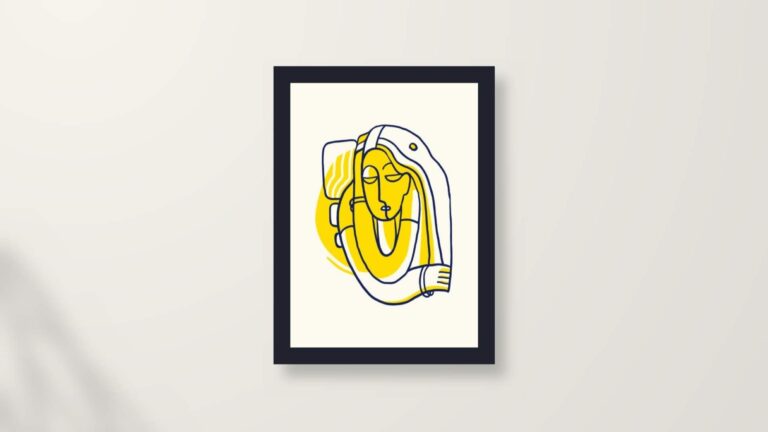
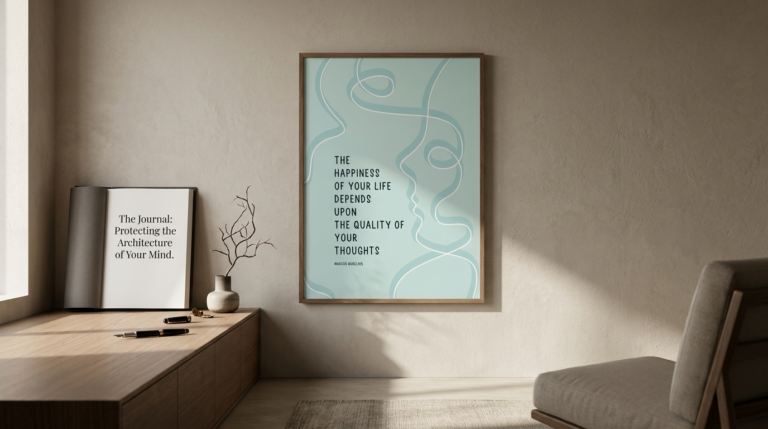
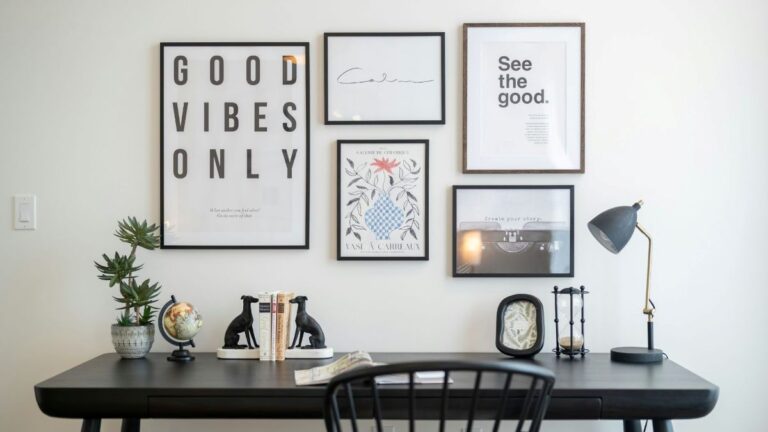
Replace the visual noise with a singular, high-contrast typography checkpoint or minimalist line drawing—like our “The Obstacle Is the Path“ art bundle.
- The Task: Place this anchor print in a location where your eyes naturally drift when you encounter a difficult problem or an stressful email thread. Let it act as a physical stop-sign for your anxiety, reminding your brain to return to the bedrock of the present moment.
Action Step 3: Run the “Non-Attachment” Task Edit (Time: 8 Minutes)
Most daily stress is caused by holding onto too many priorities at once. Apply this quick subtractive framework to your schedule right now:
[THE ZEN SUBTRACTIVE VELOCITY MATRIX]
-----------------------------------------------------------------
|  THE BEDROCK (Keep Moving)     |   THE TURBULENCE (Cross Off)  |
|  * 1 Vital Creative Project     |   * Reactive Instant Replies  |
|  * 1 Mindful Boundary Practice  |   * Micro-Perfection Adjusts  |
-----------------------------------------------------------------
- The Task: Look at your current to-do list. Intentionally select the bottom 30% of those tasks and push them to next week or cross them off entirely. Accept that it is okay to leave them undone so that your best energy stays focused on your primary lane.
Final Reflections: Trust the Flow
The modern marketplace outside will always be a swirling, muddy river of information, demands, and artificial urgency. It is never going to slow down its current to accommodate your peace of mind. But you hold absolute, uncompromised sovereignty over the environment you curate inside your own house and within the borders of your own thoughts.
The next time you encounter an unexpected disruption or a season of intense pressure, don’t drop your tools and wait for the water to clear. Look at your space, adjust your environment with clean printable wall art, take a deep belly breath, and step forward safely into the flow—secure in the knowledge that your balance is built dynamically through your motion today.